The Version That Can Carry This


Not every version of me could handle this work.
Some versions were built for motion. They were good at starting, good at reacting, good at pushing things forward when momentum was easy to find. They knew how to move fast, how to stay visible, how to keep things feeling alive.
But they weren’t built to carry weight for long.
What I’m working on now doesn’t respond to urgency. It doesn’t move faster when I apply pressure. It doesn’t reward constant adjustment or explanation. In fact, it pushes back when those instincts show up.
This stage requires steadiness more than speed.
It requires the ability to hold uncertainty without trying to resolve it immediately. To sit with incomplete information. To make decisions that won’t be validated right away—and then live with them long enough for them to prove themselves quietly.
I’ve learned that capacity isn’t just about what you can do. It’s about what you can endure without losing shape. The longer something takes, the more it tests who you are when nothing is changing on the surface.
The version that can carry this isn’t driven by reaction.
It doesn’t need constant feedback.
It doesn’t rush decisions just to relieve tension.
That version understands that some timelines stretch not because something is wrong, but because the work is still settling into its proper form.
It also understands that identity isn’t something you declare. It’s something that forms through repetition. Through staying when it would be easier to pivot. Through holding standards when relaxing them would create faster relief.
This work doesn’t need a new idea or a sharper push.
It needs a version of me that can remain intact while carrying it forward—quietly, consistently, without performance.
That’s the version I’m choosing to protect now.
Not because it’s impressive, but because it holds.
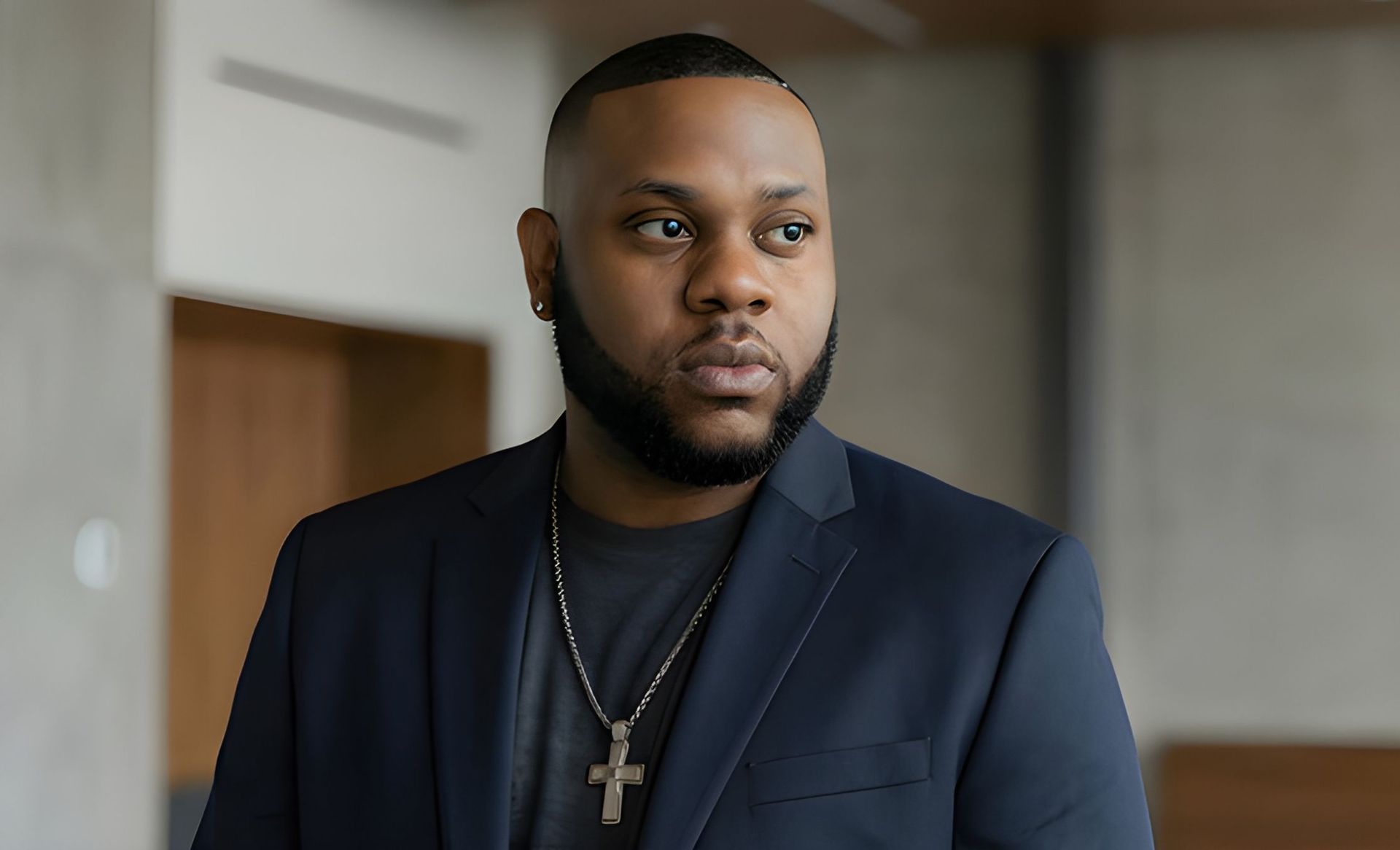
Adam Dudley
Founder & Creative Architect
Charlottesville, Virginia
This post is part of an ongoing archive—ideas and perspective recorded as the work unfolds.